

7 Ways to Increase Home Value in New Jersey

Table of Contents
Home Improvements That Add Value in New Jersey
1. Kitchen Remodels That Buyers Actually Pay For
Minor Updates vs. Full Gut Renovations
2. Bathroom Updates With the Highest Cost Recovery
3. Curb Appeal Projects That Raise Market Value
5. Home Renovation ROI: How to Estimate Cost Recovery
How to Estimate Cost Recovery Without Guessing
A Budget and Project-Priority Framework
Match the Project to Your Budget, Timeline, and Home Condition
Improvements to Avoid or Over-Improving
6. Home Improvements Before Selling: What to Do First
7. Home Improvement Property Tax Impact in New Jersey
When a Permit May Be Required
How Local Climate and Housing Stock Shape Project Choices
Energy Efficiency, Maintenance, and Resilience
Plan for a Possible Tax Increase
Frequently Asked Questions
Last Updated: October 9, 2026
Home Improvements That Add Value in New Jersey
To increase home value in New Jersey, start with what buyers actually pay for: kitchens, bathrooms, curb appeal, and structural repairs. J&L Construction & Restoration has over two decades of experience in both commercial and residential projects across New York, New Jersey, and Pennsylvania.
Not every renovation pays you back. The difference comes down to three things: what buyers in your area want, your home's current condition, and whether you fix problems before adding extras.
Below, we cover the seven projects that move the needle, plus a simple framework for choosing what to tackle first.
Key Takeaway Value comes from condition and function, not decoration. Fix the roof before you upgrade the light fixtures.
1. Kitchen Remodels That Buyers Actually Pay For
The kitchen sells a house, but only if you spend on the right things. Buyers care about function: working appliances, solid counters, and enough storage, not whether your backsplash matches a magazine spread.
Minor Updates vs. Full Gut Renovations
A minor update means refacing cabinets, replacing hardware, swapping old appliances, and refreshing paint. A full gut renovation moves walls, reroutes plumbing, and replaces everything.
If the layout works, do not move the walls. Spend that money on quality materials instead.
Refinish or reface cabinets rather than replacing them
Replace dated hardware and faucets
Add under-cabinet lighting
According to ENERGY STAR guidance on kitchen appliances, efficient appliances can lower utility costs, which matters to buyers comparing homes.
2. Bathroom Updates With the Highest Cost Recovery
Bathrooms return more per dollar than almost any other room, and small changes go a long way.
Fred Gomberg | Downsizing In Mercer County NJ
Start with the cheap fixes. Recaulking and regrouting alone can transform a tired bathroom. Then move to fixtures: faucets, showerheads, and towel bars.
Recaulk tubs and showers to remove discolored lines
Regrout tile floors and walls
Replace old faucets and showerheads
A clean, dry bathroom signals good maintenance. A cracked caulk line or a running toilet signals the opposite. Buyers notice both.
3. Curb Appeal Projects That Raise Market Value
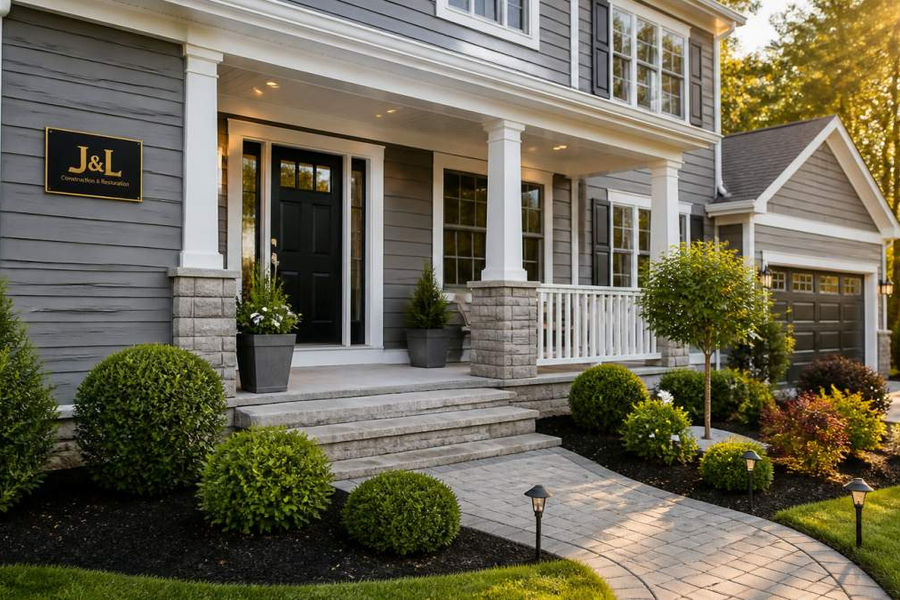
Curb appeal sets the price in a buyer's mind before they walk through the door. A well-kept exterior tells buyers the inside is cared for too.
(/post/mastering-masonry-techniques-guide-for-construction-success) matters just as much. Cracked mortar, spalling brick, and a leaning chimney all point to water intrusion. Left alone, these problems spread into walls and foundations.
Repair or replace missing shingles
Repoint mortar joints before they crumble
Seal the chimney crown and flashing
J&L Construction & Restoration specializes in roofing, masonry, and carpentry, offering comprehensive services so you are not juggling multiple contractors.
5. Home Renovation ROI: How to Estimate Cost Recovery
Home renovation ROI is the share of your project cost you get back when you sell. Recover most of it and the project paid off; recover little and you over-improved for your neighborhood.
No one can promise an exact return, local market conditions, buyer demand, your home's starting condition, and work quality all move the number. What you can do is build a realistic estimate before you swing a hammer, using the same method appraisers and agents use.
How to Estimate Cost Recovery Without Guessing
Use this four-step method. It works for any project on this list.
Get a local cost range. Collect two or three written bids for the exact scope you want. Do not use national averages from a website; labor and material costs vary by county and by season.
Set a realistic recovery range. Ask a local real estate agent to pull comparable sales of homes with and without the feature. A common pattern is that condition and function projects recover a larger share of cost than luxury or highly personal upgrades, but the spread is wide.
Subtract the carrying cost. Add the interest, taxes, insurance, and time the project consumes before sale. A project that recovers most of its cost over five years is not the same as one that recovers it in six months.
Stress-test the downside. Ask what happens if the market softens or the project runs over budget. If the answer is "I cannot sell," the project is too aggressive.
Watch Out Treat every ROI figure, including the ranges below, as an estimate, not a guarantee. A project that pays back in one neighborhood may not pay back in the next.
A Budget and Project-Priority Framework
Use this framework to decide what to do first. The priority order reflects how buyers, inspectors, and appraisers actually evaluate a home.
Priority | Project Type | Typical Cost Tier | Why It Comes First |
1 | Roof, leaks, structural repairs | High | Protects the home and passes inspection |
2 | Bathroom and kitchen function | Medium to high | High buyer demand, strong recovery |
3 | Curb appeal and exterior paint | Low to medium | Cheap, visible, broad appeal |
4 | Landscaping and outdoor space | Low to medium | Adds usable space and shade |
5 | Cosmetic extras and decor | Low | Low return, do last or skip |
Work top to bottom. Do not start at the bottom and hope the top fixes itself.
Match the Project to Your Budget, Timeline, and Home Condition
The right project depends on more than ROI. Run your options through three filters.
Budget. If you have a limited budget, prioritize repairs and cosmetic fixes. They protect value and improve showings without a large outlay. Save major remodels for when you can fund them fully; a half-finished kitchen is worse than an outdated one.
Timeline. If you are selling within a year, focus on condition, paint, and curb appeal. If you plan to stay five years or more, larger functional upgrades have time to pay back through use as well as resale.
Home condition. A home that lags behind the neighborhood benefits most from targeted upgrades that close the gap. A home that is already the nicest on the block rarely recoups extra spending, because buyers will not pay a premium far above the surrounding comps.
Improvements to Avoid or Over-Improving
Some projects consistently fail to recoup their cost, and some are fine in the right home but a mistake in the wrong one.
Highly personal features. Custom murals, unusual tile, and specialized rooms narrow your buyer pool.
Over-building for the neighborhood. Adding a third bathroom to a two-bedroom starter home, or a luxury kitchen to a modest house, tends to exceed what nearby buyers will pay.
Pools and elaborate water features. They carry high installation and maintenance costs, and some buyers actively avoid them.
Pro Tip Before you commit to a large project, ask a local agent for a broker price opinion on your home as-is and after the planned work. It is a low-cost way to test your ROI assumption before you spend.
6. Home Improvements Before Selling: What to Do First
Home improvements before selling should focus on condition and first impressions, not personal taste. You are removing reasons for a buyer to say no.
Walk through your home like a buyer. Fix what looks neglected. Paint in neutral colors. Clear clutter. Make sure every system works: lights, outlets, faucets, and the HVAC.
Fix visible damage before you upgrade anything
Paint walls in neutral tones
Replace burnt-out bulbs and sticky locks
Do not start a major remodel right before listing. Half-finished projects scare buyers and delay closings.
7. Home Improvement Property Tax Impact in New Jersey
Home improvement property tax impact is a real concern for owners here, because property taxes are assessed on value. A major renovation can raise your assessed value and your tax bill, though not every project triggers a reassessment and rules vary by municipality.
Upgrades that add living space or bedrooms draw more attention from assessors than cosmetic refreshes. Repairs that restore a home to good condition usually do not change assessed value much.
When a Permit May Be Required
Most municipalities require a permit for work that affects structure, electrical, plumbing, or mechanical systems. Common examples include:
Adding or moving walls, or converting a garage or attic to living space
Replacing or extending electrical circuits, outlets, or panels
Roof replacement in many jurisdictions, and most structural repairs
Cosmetic work such as painting, refacing cabinets, or replacing a faucet with a like-for-like fixture typically does not require a permit. When in doubt, call your local building department. Unpermitted work can surface during a sale, delay closing, and force you to pay for retroactive permits or corrections.
Watch Out Unpermitted structural, electrical, or plumbing work is one of the most common reasons a sale falls through. Buyers' inspectors flag it, lenders question it, and insurers may decline coverage. Pull the permit.
How Local Climate and Housing Stock Shape Project Choices
This region's weather and housing stock change which upgrades pay off.
Older housing stock. Many homes were built before modern codes and may contain outdated wiring, galvanized plumbing, or knob-and-tube circuits. Before cosmetic work, have these systems evaluated. Buyers and inspectors will.
Freeze-thaw cycles. Repeated freezing and thawing stresses masonry, driveways, and walkways. Repointing mortar, sealing cracks, and ensuring proper drainage prevent small problems from becoming structural ones.
Snow and ice. Roof load, ice dams, and gutter performance matter here. Proper attic insulation and ventilation reduce ice dams and lower heating costs.
Energy Efficiency, Maintenance, and Resilience
Practical upgrades that improve operating costs and condition often appeal to buyers more than decor.
Add attic and wall insulation to reduce heating and cooling costs
Seal air leaks around windows, doors, and rim joists
Service or replace aging HVAC equipment with efficient models
These projects may not show up as a headline ROI number, but they improve condition, lower operating costs, and give buyers confidence, which supports your asking price.
Plan for a Possible Tax Increase
Check with your local assessor before starting a large project. Ask how the work is likely to be treated, budget for a possible increase, and weigh it against the value the project adds. A higher tax bill on a more valuable home is often worth it, but plan for it.
Pro Tip Keep every receipt and permit for your renovation. When you sell, documented improvements can support your cost basis and reduce capital gains tax. Ask a tax professional how the rules apply to your situation.
Frequently Asked Questions
What are some small things I can do to increase the value of my home?
Low-cost cosmetic work often delivers the best cost recovery. Repainting the front door, replacing outdated faucets and showerheads, recaulking tubs and sinks, regrouting tile, and updating house numbers or a mailbox can all raise buyer appeal for a modest outlay. Cleaning and repairing gutters, power-washing siding, and adding fresh mulch also sharpen curb appeal. These tasks rarely require permits and can be finished in a weekend, which makes them practical before listing.
Do kitchen and bathroom renovations increase home value?
They can, but the return depends on scope and neighborhood. Minor kitchen refreshes, such as new cabinet fronts, countertops, and fixtures, typically recover more of their cost than full gut remodels because the price gap between them is large while the visual impact is similar. Bathroom updates like reglazing, new vanities, and modern lighting tend to perform well. Over-improving beyond what nearby homes support usually means you absorb the difference rather than recoup it.
How do I estimate the return on investment for a home improvement?
Start with the project cost, then estimate how much the change raises your home's market value based on comparable sales in your area. Divide the value added by the cost to get a rough cost recovery percentage. Repairs and maintenance generally score higher than discretionary upgrades. Factor in holding time too: a project that takes six months to complete delays your sale and adds carrying costs, which lowers the real return.
What home improvements increase property taxes in New Jersey?
In New Jersey, assessors can reassess a property after a building permit is pulled for work that adds square footage, bedrooms, bathrooms, or finished living space. Cosmetic work like painting, recaulking, or replacing fixtures in kind usually does not trigger a reassessment. Additions, finished basements, and converted attics are the most common triggers. Check with your local construction office before filing permits so you understand how the project may affect your assessment.
CONTACT US


Comments