

The Homeowner's Guide to Restoring a Historic Home in NJ & NY: 7 Steps to Preserve Character

Stepping across the threshold of a historic home in New Jersey or New York feels like walking backward in time. You notice the wavy antique glass in the windows, the heavy heartpine floorboards that groan with stories, and the intricate plaster medallions overhead. Owning a piece of architectural history is a rare privilege: especially as we celebrate the 250th anniversary of the Revolutionary War throughout the tri-state area in 2026. This milestone reminds us just how deep our regional roots go, inspiring many property owners to invest in preserving their heritage.
However, restoring a historic property is very different from remodeling a modern suburban build. Think of working on a historic home like curating a museum exhibit where you also happen to live; every nail, mortar joint, and coat of paint tells a chapter of a story that started long before you arrived.
Over my 20+ years leading general contracting and restoration projects at J&L Construction & Restoration, I’ve helped countless homeowners navigate the delicate balance between modern comfort and historical integrity. If you are preparing to restore a historic home in NJ or NY, here are seven essential steps I recommend following to protect your investment and preserve its character.
1. Secure Your Certificate of Appropriateness (COA) First
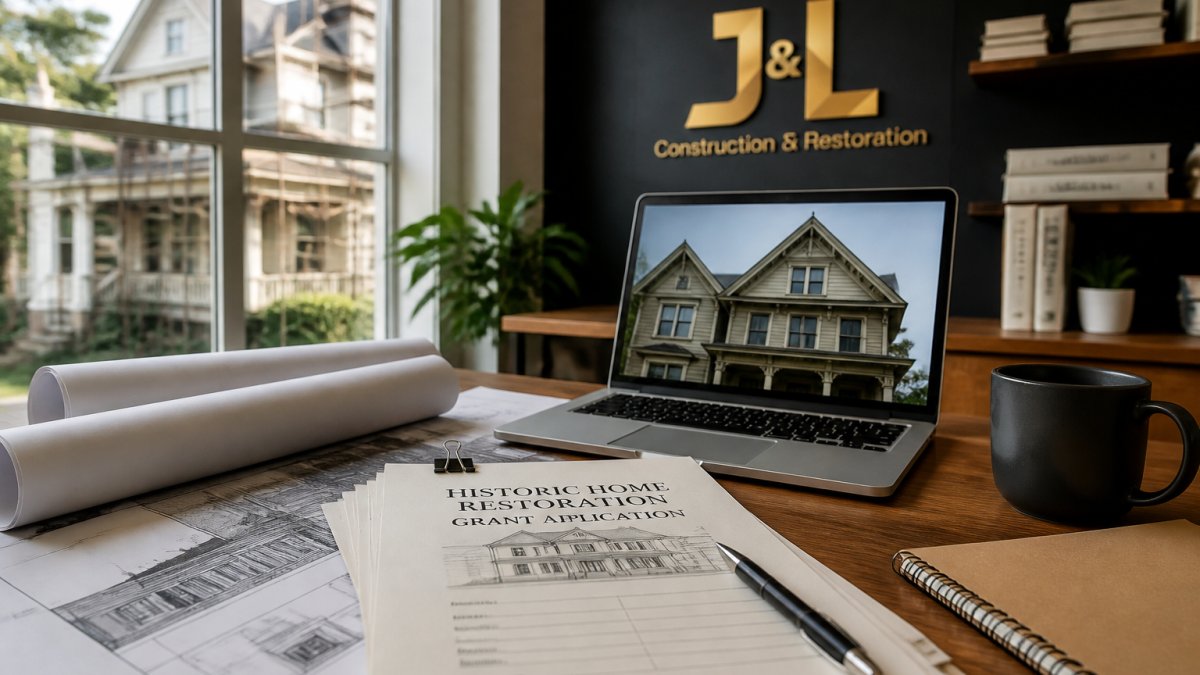
Before you drive a single nail or strip an inch of paint, you need to understand local jurisdiction. If your property sits within a local historic district or is designated as a landmark (such as under municipal codes in Montclair, NJ, or the New York City Landmarks Preservation Commission), you will likely need a Certificate of Appropriateness (COA).
What it is: A permit or approval issued by your local Historic Preservation Commission verifying that your proposed exterior changes respect the architectural fabric of the district.
Why it matters: Skipping this step can result in costly stop-work orders, fines, or having to tear out newly completed work that fails to meet local guidelines.
What I recommend focusing on: Engage with your local preservation board early in the design phase. Present clear architectural drawings and material samples that prove your upgrades match the original aesthetic.
2. Master Historic Masonry Restoration (Repointing and Brick Preservation)
One of the most common pitfalls I see in historic restoration is the use of modern Portland cement on 18th- or 19th-century brickwork. Historic bricks are softer and more breathable than modern kiln-fired bricks, and historic mortar was typically lime-based and flexible.

When hard Portland cement is applied to historic brick, it traps moisture inside the wall. During freeze-thaw cycles in our harsh winters, that trapped moisture expands, causing the historic brick faces to spall and crumble away.
The Right Approach: Always use a softer, historic-match lime mortar for repointing.
Preservation Tip: Hand-rake old mortar joints carefully to avoid chipping the delicate brick edges. When structural stabilization is necessary, match the original bond pattern (such as Flemish or running bond) meticulously.
3. Honor Original Millwork and Custom Carpentry
The custom carpentry in historic homes: hand-carved moldings, paneled wainscoting, solid pocket doors, and double-hung wood windows: gives these spaces their irreplaceable soul. Too often, contractors eager to cut corners suggest tearing out rotting original wood and replacing it with cheap vinyl or MDF substitutes.
For example: If your exterior window sills are showing signs of rot, a skilled restoration carpenter can splice in healthy, weather-resistant lumber (like old-growth cedar or mahogany) rather than ripping out the entire historic window frame.
What to prioritize: Restore over replace whenever structurally possible. If custom millwork elements are missing entirely, partner with craftsmen who can study surviving architectural clues and mill exact replicas to match the home's specific era (whether Federal, Greek Revival, Victorian, or Arts & Crafts).

4. Choose Period-Accurate Exterior Painting and Finishes
Paint is your home's first line of defense against the elements, but in a historic home, the wrong paint type can seal in vapor and ruin exterior substrates. Modern acrylic latex paints applied over old oil-based layers without proper priming will often bubble and peel within a single season.
Surface Preparation: Gentle scraping, hand-sanding, and chemical stripping should replace aggressive abrasive sandblasting, which pits wood and strips away historic tooling marks.
Color Palettes: Consult historical paint research studies or local historical society archives to find authentic color palettes for your home's specific decade. A historically accurate exterior instantly elevates curb appeal and honors the neighborhood's visual harmony.

5. Modernize Invisible Systems Without Sacrificing Historic Fabric
Living in a historic home shouldn't mean living with knob-and-tube wiring, galvanized lead pipes, or zero insulation. You can: and should: upgrade your infrastructure, but the key is doing it invisibly.
Electrical & Plumbing: Route new wiring through existing utility chases, basement joists, and attic crawlspaces without cutting open ornate plaster walls.
Climate Control: Consider high-velocity mini-split HVAC systems that use discreet, small-diameter tubing rather than bulky ductwork that requires dropping historic ceilings.
Insulation: Avoid standard fiberglass batting in exterior walls if it blocks ventilation; instead, explore breathable insulation materials like blown-in cellulose or closed-cell applications approved for historic assemblies.
6. Tap Into Federal and State Historic Preservation Tax Credits
Restoring a historic home is an investment, but governments at both the federal and state levels offer powerful financial incentives to help offset the costs for eligible properties:
Federal Historic Tax Credit: Provides a 20% tax credit for qualified rehabilitation expenditures on certified income-producing historic structures.
State Programs: In New Jersey, programs like the Historic Property Reinvestment Program (HPRP) support major commercial and income-producing historic rehabilitation, while proposed initiatives target residential homeowners. In New York, the State Historic Homeownership Rehabilitation Tax Credit offers up to 20% back on qualified repair costs for owner-occupied historic homes in designated census tracts.
Actionable Advice: Keep meticulous receipts and coordinate with a tax professional and your State Historic Preservation Office (SHPO) before starting work to ensure your expenses qualify.
7. Partner with an Experienced General Contractor Who Understands Heritage
Historic restoration requires patience, specialized techniques, and deep respect for the craft. A contractor who primarily builds suburban tract homes may treat a historic landmark like a demolition site.
When you are ready to evaluate your project, I invite you to explore our J&L Construction & Restoration work samples to see examples of our craftsmanship across masonry, carpentry, and exterior restoration. Having over 20 years of hands-on experience means we know how to navigate surprise structural quirks behind nineteenth-century lath-and-plaster walls without losing your home's unique character.
Bringing Your Vision to Life
Preserving a historic home in New Jersey or New York is a labor of love that connects you directly to the architectural legacy of our region. By securing the right approvals, respecting traditional materials like lime mortar and old-growth timber, and leaning on experienced professionals, you can ensure your home stands proudly for generations to come.
If you have a historic restoration project on the horizon and want to discuss how to approach it with care and precision, reach out to our team today via our contact page. Let’s preserve your home's story together.
Comments